Check the systems that preserve control
Use the yacht’s manuals, maintenance records and vessel-specific procedures as your starting point. Inspect propulsion, steering, bilges, seacocks, electrical supply and navigation equipment. Look for leaks, unusual noises, damaged connections and changes from normal operation. A generic checklist cannot establish seaworthiness or replace a competent inspection when something is uncertain.
Confirm engine fluid levels and cooling arrangements according to the manufacturer’s instructions. Check fuel quantity using a reliable method rather than relying blindly on one gauge. Understand the charging system, battery condition and the energy needed for essential equipment. Verify that any emergency steering arrangement is accessible and that the crew knows how it is deployed safely.
Make the crew part of the plan
Ask about fatigue, cold, seasickness, relevant medical needs and confidence with the intended passage. A crew member who is reluctant to speak up can become a hidden limitation. Allocate tasks realistically, including who can take over if the usual helm or navigator becomes unable to continue. Keep the briefing short enough to remember and specific enough to act on.
Demonstrate personal flotation equipment and check its fit, condition and servicing requirements. Discuss safe movement, attachment arrangements where appropriate, and the hazards of working lines under load. Explain how to raise the alarm and how to help a person in the water without putting another person at unnecessary risk. Practise recovery procedures in suitable controlled conditions with competent support when needed.
Review the departure prompts
Ticking a prompt means you have reviewed it—not that the vessel is certified ready. These ticks are not deliberately saved by this site or sent anywhere.
Review each prompt before departure. This is not a seaworthiness assessment.
Prepare equipment for actual use
Safety equipment must be suitable for the yacht, the people aboard and the intended operating area. Check applicable carriage requirements and inspection intervals rather than assuming another yacht’s inventory is sufficient. Locate fire extinguishers, first-aid supplies, emergency signalling equipment and means of recovering someone from the water. Keep access unobstructed.
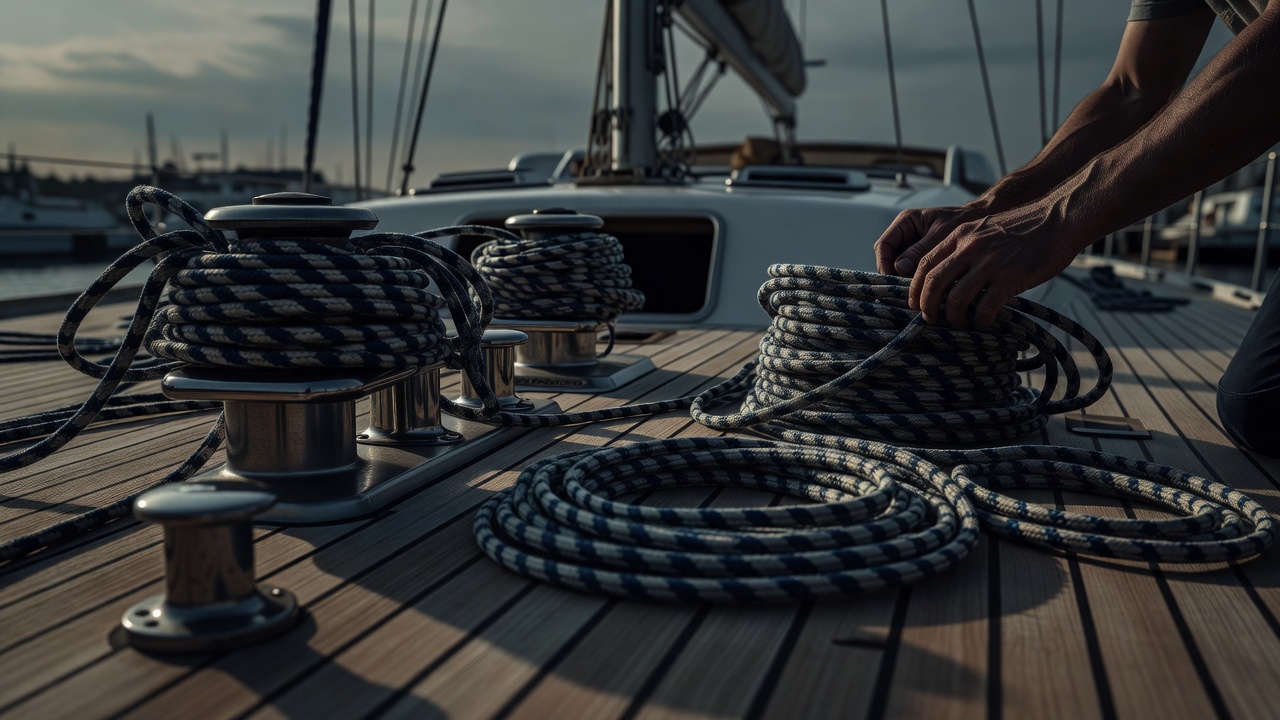
Inspect the anchor, rode and associated securing arrangements before they are needed. Review mooring lines, fenders, chafe protection and safe deck storage. Carry suitable spares and tools for tasks the crew can competently undertake. Equipment without the knowledge to use it can offer less protection than its presence suggests; seek practical training rather than learning a critical procedure during an emergency.
What if an important system has an unresolved fault?
Assess it with competent help and the vessel’s instructions. Repair the fault or change the passage so that essential safety margins are not compromised. A favourable forecast does not make unreliable steering, propulsion or critical safety equipment acceptable.
What should a new crew member be shown first?
Personal flotation, safe movement, the alarm procedure, radio location, emergency equipment and their immediate role. Confirm understanding with a practical demonstration rather than a list of unfamiliar terms.
Keep communications and reserves credible
Know how to operate the installed VHF radio, including its distress functions where fitted, and ensure the relevant identity and position arrangements are correct. Check licensing and operator qualification requirements for your circumstances. Mobile coverage is useful but should not be treated as a guaranteed emergency communication system inside steep terrain.
Leave a sensible passage plan with a reliable shore contact, including how you will update it and what overdue action you have agreed. Do not use this website’s contact address for passage monitoring or emergencies. Calculate fuel and water needs from your own vessel’s consumption, likely delays and alternatives. A reserve exists to preserve choices, not to justify a longer itinerary.
Build responsible conduct into readiness
Carry the means to retain rubbish and manage wastewater lawfully. Identify suitable disposal facilities before tanks or storage become a problem. Prepare fuel-transfer equipment to prevent spills and know the appropriate response if one occurs. Reduce unnecessary engine idling, avoid excessive wash and keep noise considerate near homes and wildlife.
Check protected-area rules and local landing or anchoring restrictions for the actual destination. Keep wildlife encounters passive: maintain distance and avoid separating animals or blocking their movement. Respect private facilities and working waterfronts. A crew that plans its waste, shore access and fuel routines before departure is less likely to make a poor environmental decision under pressure.
Finally, set a simple departure test: are the vessel, crew, conditions and arrival plan ready together? If one part fails, revise the plan. An extra day alongside can be the most effective preparation decision of the trip.
Choose a passage that fits the readiness →